
Raw Materials
Lipsticks consist of pigment dispersed into a mixture of oils and waxes. The range of pigments and other raw materials permitted for use is strictly limited by regulatory authorities including Food and Drug Administration (FDA). Oils used include castor oil, mineral oil or petrolatum; waxes include beeswax, carnauba, candelilla and ozokerite (ceresin). Waxes can be used in either powder, flake, prill pellet or solid form. Silicone compounds are also sometimes used in the base formula. Other ingredients include emollients, pigment dispersants, preservatives and fragrances. Some products also incorporate additional properties such as UV protection or pearlescent finish. The typical ratio of oil: wax: pigment would be as follows:
- Oil: 50 – 70%
- Wax: 20 – 30%
- Pigment: 5 – 15%
Lip salves (or balms) are formulated from a similar base, but instead of pigments they contain additional moisturizers, sunscreen agents or “active” ingredients such as camphor.
Manufacturing Process
Lipstick made in the factory is easiest to understand if it is viewed as three separate steps: melting and mixing the lipstick. pouring the mixture into the tube. Packaging the product for sale.
Melting and mixing
1. First, the raw ingredients for the lipstick are melted and mixed—separately because of the different types of ingredients used. One mixture contains the solvents, a second contains the oils, and a third contains the fats and waxy materials. These are heated in separate stainless steel or ceramic containers.
2. The solvent solution and liquid oils are then mixed with the color pigments. The mixture passes through a three roller mill, grinding the pigment to avoid a “grainy” feel to the lipstick.

3. After the pigment mass is ground and mixed, it is added to the hot wax mass until a uniform color and consistency is obtained. The fluid lipstick can then be strained and molded, or it may be poured into pans and stored for future molding.
4. If the fluid lipstick is to be used immediately, the melt is maintained at temperature, with agitation, so that trapped air escapes. If the lipstick mass is stored, before it is used it must be reheated, checked for color consistency, and adjusted to specifications, then maintained at the melt temperature (with agitation) until it can be poured.
Molding
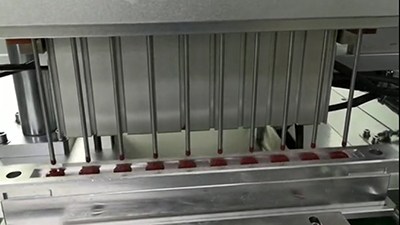
5. Once the lipstick mass is mixed and free of air, it is ready to be poured into the tube. A variety of machine setups are used, depending on the equipment that the manufacturer has. Use our lipstick filling machine to stir the lipstick mass and keep it liquid until the filling part is completed.
6. The melted mass is dispensed into a mold, which consists of the bottom portion of the metal or plastic tube and a shaping portion that fits snugly with the tube. Lipstick is poured “up-side-down” so that the bottom of the tube is at the top of the mold. Any excess is scraped from the mold.

7. The lipstick is cooled(use a lipstick freezing tunnel or freezing platform) and separated from the mold( manual release mold or use lipstick release mold machine) and the bottom of the tube is sealed.
Labeling and packaging
8. After the lipstick is retracted and the tube is capped, the lipstick is ready for labeling and packaging.
9. The final step in the manufacturing process is the packaging of the lipstick tube. There are a variety of packaging options available, ranging from bulk packs to individual packs, and including packaging as a component in a makeup kit or special promotional offering. Lip balms are packaged in bulk, generally with minimum protection to prevent shipping damage.


